Team-building has long been important for maintaining a positive culture at work. In 2026, with remote and hybrid work styles limiting how often employees are present in a workplace, it’s more vital than ever to prioritise team bonding.
However, finding the right activity to bring your team together is key to maximising the positive impact. When done wrong, team-building activities can create awkward and uncomfortable experiences that don’t drive the intended results. With 555,000 average monthly searches for ‘team building activities ideas’ globally, it’s clear that many are still unsure of what the best options are.
In 2025, Immersive Gamebox had 2,793 corporate bookings, which was a 50% increase on the prior year, suggesting a rise in more fun and alternative team-working activities, rather than traditional team away days and icebreaker games.
To help businesses choose the right activity, we’ve explored the employee perspective and sought advice from New Leaf Health, a workplace health and wellbeing provider, on how to maximise the effectiveness of team-building experiences.
Why are team-building activities important?
While professional relationships are often formed during work hours, direct contact may be limited, making it difficult for them to develop, especially when employees are remote. Arranging activities dedicates time to ensuring team bonding is prioritised.
Positive connections at work optimise collaboration, helping team members better understand each other’s working styles, strengths and weaknesses, so that they can build a more effective shared approach. In the 2025 State of the Global Workforce report, 62% of UK office workers say team building improves communication among the workforce, with 29% citing a long-term positive impact. Strong work relationships then foster trust, drive productivity and encourage effective problem-solving.
Additionally, when team-building activities are designed for everyone’s enjoyment, they can be a great opportunity to reward employees for their good work, which can contribute to them feeling valued and boost morale.
How do employees view team-building events?
As much as team-building activities are needed and offer numerous benefits, they often have a bad reputation. Due to old-school team-building experiences involving sailing boats and trust-fall exercises, the term often brings feelings of dread. In a study reported on Forbes, almost half of employees say traditional ‘forced-fun’ team-building activities make them feel uncomfortable or inauthentic.
On Reddit’s various subreddits about team-building activities, users described them as ‘a waste of time’, ‘enforced closeness’, and ‘awful’. Others stated they shouldn’t be mandatory or outside of work hours.
However, when done well, team-building activities can have beneficial impacts on employees. In a survey conducted by the corporate events business Team Tactics, more than two-thirds of UK office employees found team-building activities enjoyable, and 65% said they helped them perform better as a team. Additionally, 63% said it helped them feel closer to their colleagues.
Andy Lee-O’Neil, Workplace Wellbeing Specialist and Managing Director at New Leaf Health, said: “We're great believers in collaboration and shared approaches. We would encourage any business planning team-building events to form a group of social champions recruited from a wide range of job roles within the business, and not just managers or leaders.”
What to look for in team-building events
Team-building activities should first and foremost be enjoyable, but there are various factors to consider to maximise inclusivity. According to Team Tactics research, just half of the UK office employees surveyed felt their last team-building activity catered to neurodiverse employees. A similar percentage said the activities were inclusive of physical disabilities and religious beliefs, too.
“We are more aware than ever about the physical requirements in all workplaces, but neurodiversity and mental well-being should be other key areas for you to consider – equal access to all is so, so important.”
It’s crucial to factor in different personality types (e.g., introverts and extroverts), as well, to ensure everyone feels comfortable attending and engaging with the task.
Fun, alternative team-building activity ideas
Immersive gaming
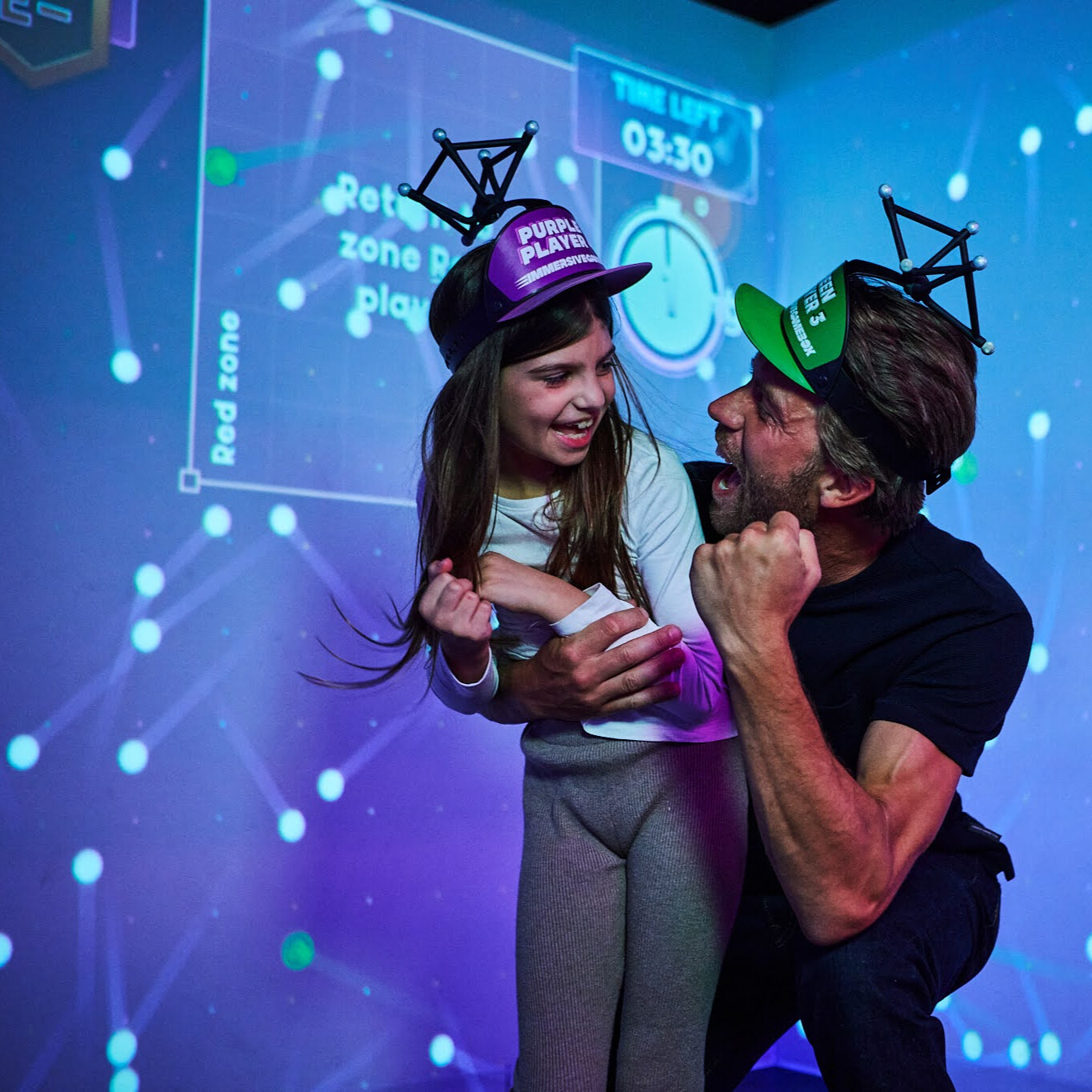
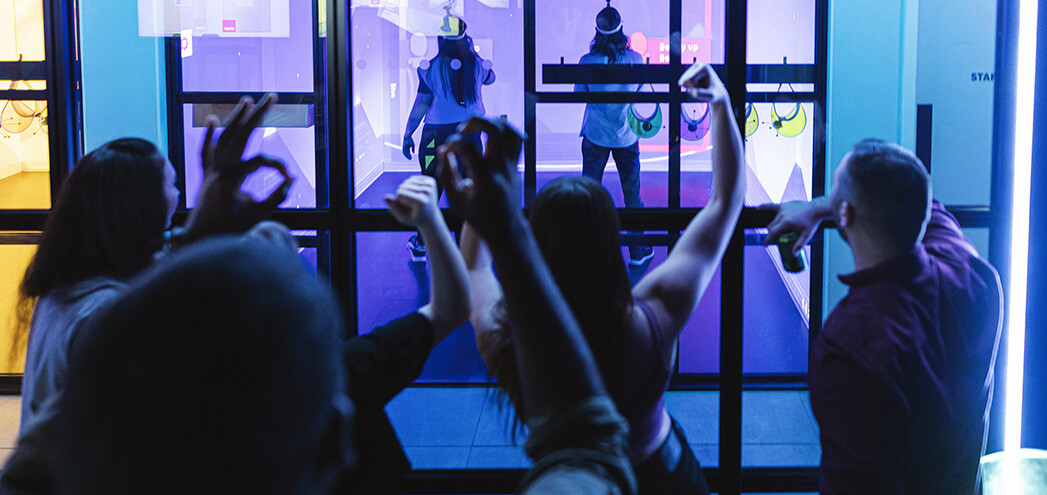
The fun and engaging experience of immersive gaming can promote bonding and positive professional relationships between colleagues. Additionally, this experience encourages team-building traits.
Lisa Paton, CEO at Immersive Gamebox, said: “In order to solve puzzles and succeed in the game, team members must openly and clearly communicate to strategise and navigate challenges, as well as trust and listen to each other.”
In 2025, half of our corporate bookings played Squid Game, making it by far the most popular team-building game.
Since its release in December 2025, Box Party has also become an increasingly popular choice and has been played in 30% of all corporate occasions so far this year.
Escape rooms
Similar to immersive gaming, escape rooms offer a fun experience while encouraging employees to communicate.
To figure out how to escape the room, employees must work with people who may have different personalities and approaches.
Scavenger hunts
Splitting employees into smaller groups, each team must work together to solve problems and find specific items before the other teams.
There are various approaches to take with scavenger hunts. More complex hunts can involve taking photographs, solving puzzles to gain clues, or interviewing people for information.
Virtual games for remote workers
Even when team members are unable to meet in person, it’s still possible to create team-building experiences.
If everyone has access to the right equipment, options could include Dungeons and Dragons, FIFA, and Monopoly. However, if resources are limited, opt for simpler games like Pictionary and Trivia quizzes.
Final tips
- Arrange team-building activities within work hours.
- Avoid tasks that put people on the spot and single people out.
- Keep the activity optional.
- Choose activities that prioritise working together rather than against each other.
- Limit it to a few hours rather than a full day or weekend.
Andy Lee-O’Neil concluded: “Team building is all about how the activity helps to improve social interaction, creating stronger bonds with colleagues, building on trust, and feeling that they are part of the whole and not on their own.”
Team-building activities can further develop professional relationships, helping employees get to know each other better to improve collaboration, communication, and morale. However, it’s also important not to rely on team-building activities, as these events and experiences work best to support and enhance rather than create positive work cultures.